2010
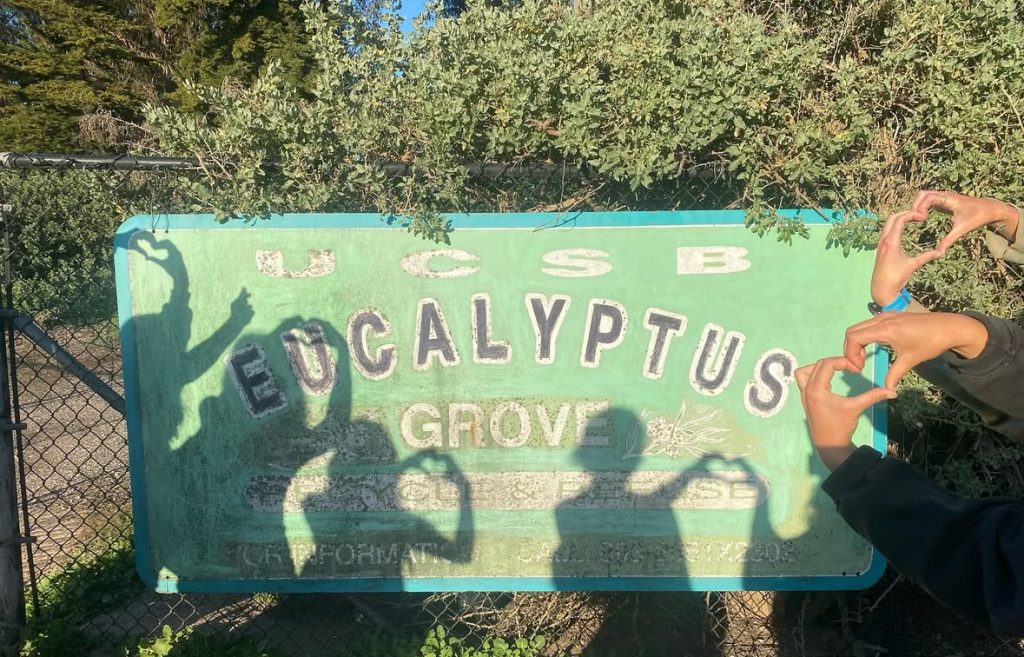
We relocated our operations from Isla Vista to the UCSB Eucalyptus Grove on campus behind the Recreation Center Tennis Courts. This is where all our vermicomposting and hot stall composting took place! We also share the Grove with A.S. Recycling!
2004
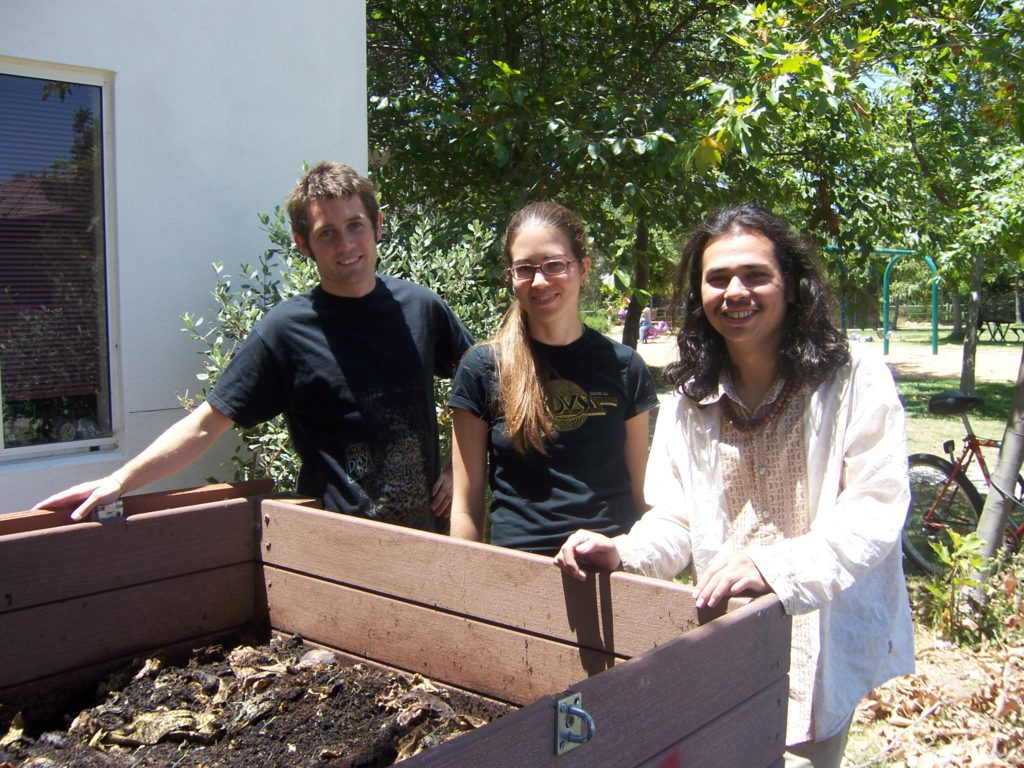
Dept. of Public Worms is a student run, student funded AS organization. Our group was originally established as part of A.S. Recycling in 2004 in efforts to incorporate composting into UCSB’s waste management. Our first services focused on servicing businesses in Isla Vista in collaboration with IV Parks & Recreation. Worm bins were built in People’s Park and Estero Park for students to compost the food collections. A.S. Recycling Route Riders picked up the food waste with our recumbent trailer bikes, and eventually Dept. of Public Worms began collecting food waste from several dining commons. We also began distributing Worm Tea.
2012
In 2012, we began collecting food scraps from De la Guerra, Ortega, and Carrillo Dining Commons, totaling three dining hall pickups on campus . Once we successfully began collecting such large volumes of food from the dining halls, we rebuilt our vermicomposting bins with hardwood, rebar reinforcements, and advanced pest-security mechanisms to keep out small animals and protect our worms.
We also began servicing the West Campus Family Student Housing and Storke Family Student Housing residential complexes in continuation of a Ph.D. dissertation project that established garden plots for residents. We still service and make hot compost for Storke and West Campus Family Student Housing to this day!

2014
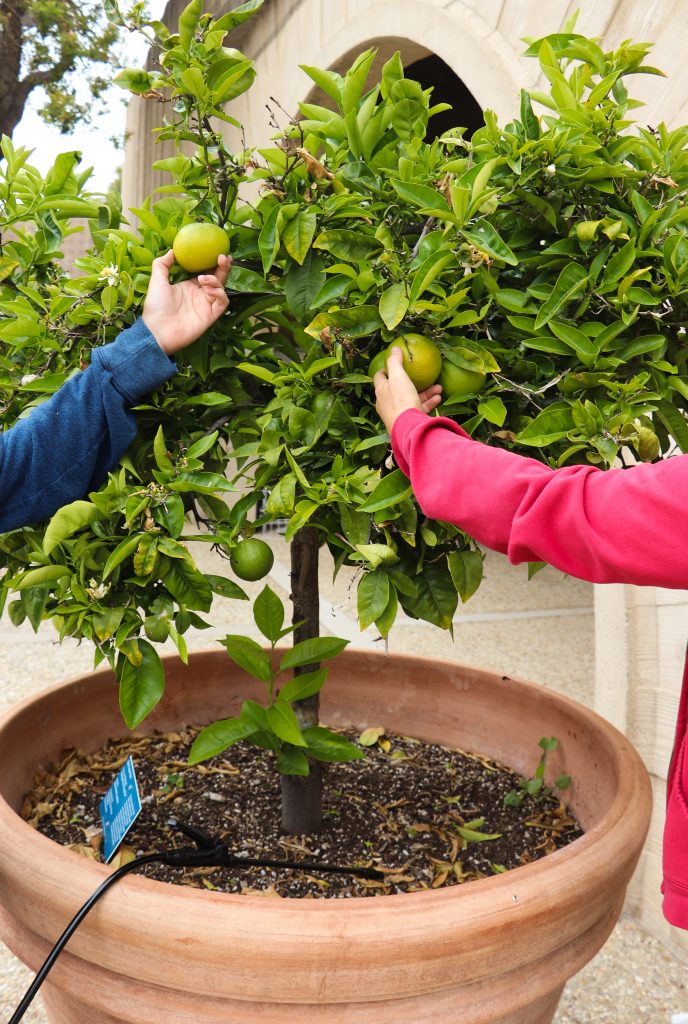
Our program has steadily been expanding with the help of student coordinators and increased funding with the addition of our very own lock-in fee in 2014. Improvements in our workspace, storage, and record keeping have greatly increased our efficiency and enabled our growing team to process more food waste. Our dream of transforming underutilized spaces on campus into productive gardens was realized in early 2015 with the donation of two Washington Navel Orange Trees from the Johnson Ohana Charitable Foundation. Our Worm Wranglers tend to the trees and harvest fruit for the A.S. Food Bank.
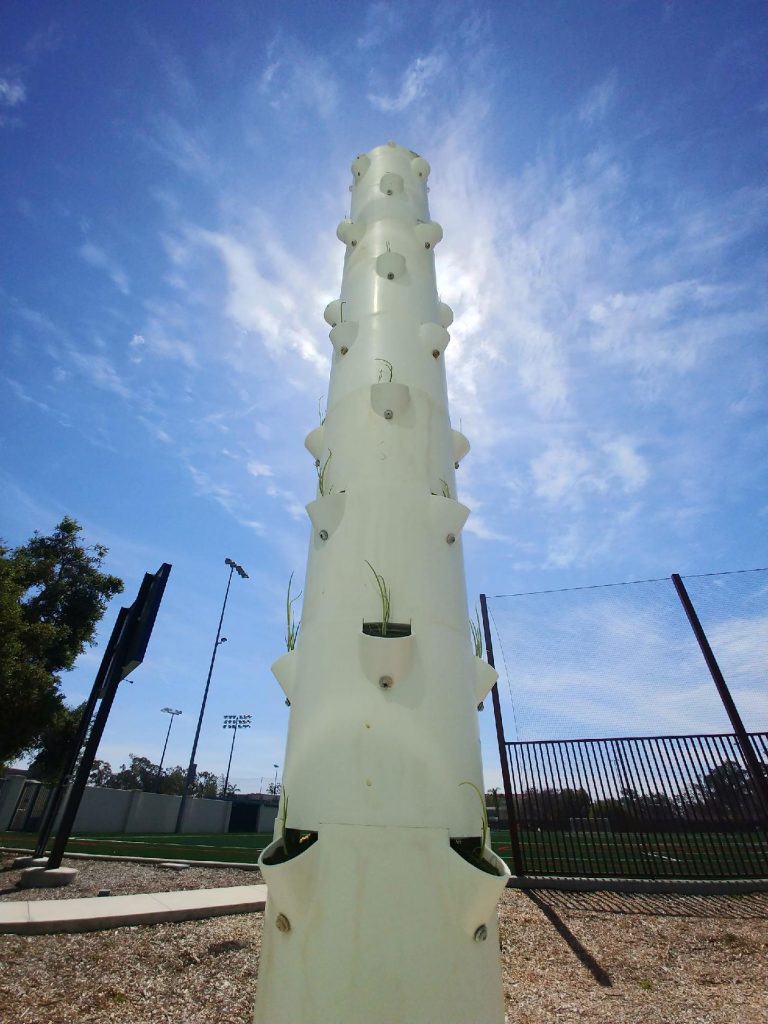
Five more Tango Mandarin trees were added to the Urban Orchard in August 2016. We also set up 2 hydroponic towers next to the grove which grow all kinds of awesome veggies including green onions, tomatoes, and peppers. We also began designing plans for an Edible Campus Student Farm! Our dream of cultivating produce for students had just begun!
2018
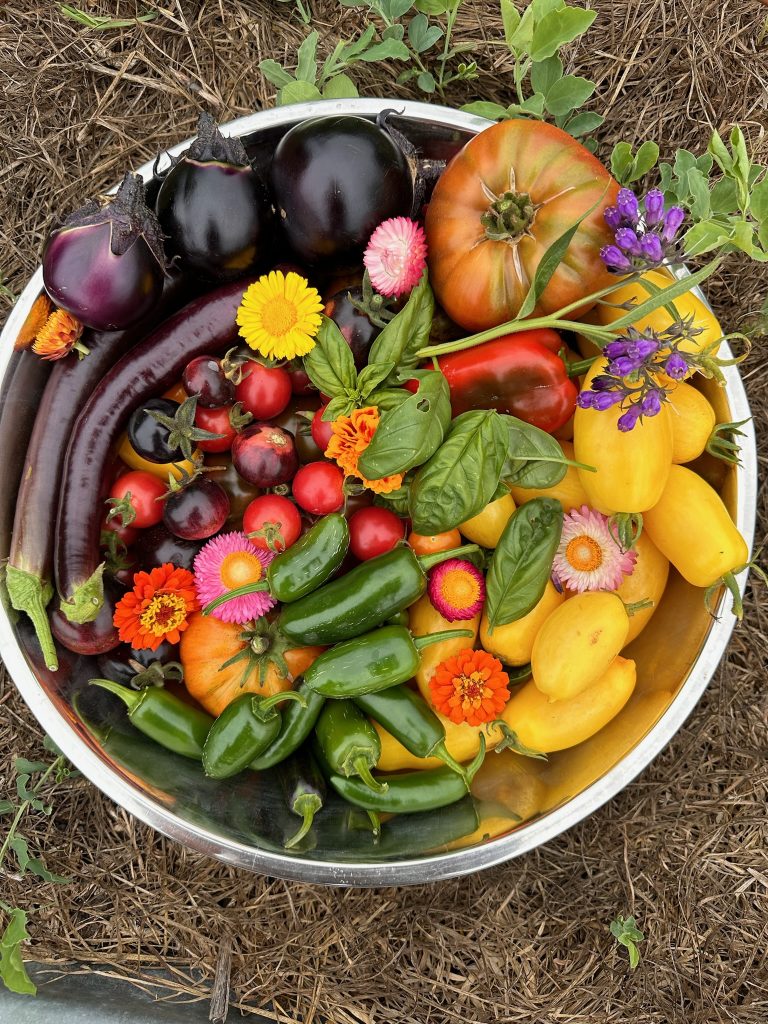
Our first major farm event was a groundbreaking in Fall 2018. It was followed by a big volunteer day in Spring 2019, and then our grand opening on October 8, 2019. With the help of amazing community volunteers, we were able to build our beautiful farm and begin donating large amounts of produce by early 2020.
2022
Our Edible Campus Program projects are thriving. Our farm houses over 20 fully functional beds, a greenhouse, and the beginnings of a permaculture food forest. We tend to our Urban Orchard and its 7 citrus trees as well as our 5 hydroponic towers. The Department of Public Worms hopes to re-open our garden to community volunteers soon!
2026 and on!
We continue to care for our worms and service family student housing composting. Our farm now has over 34 raised beds, a large center permaculture food forest, two hydroponic towers, and a native garden! We still tend for the citrus trees for the Urban Orchard project, but we are looking to reimagine that ECP project.
During 2025 we also had big changes. We moved from the Eucalyptus grove to a new location across from the ECP Student Farm which we now call the Prairie. We continue to manage to our hot stalls and worms as usual. New location, same operations! We are excited to see what the future holds for us as we look into future DPW and ECP projects to further our goal for food accessibility and waste management!