What does DPW do?
DPW collects compostable food scraps from multiple sites on and off campus to process through hot composting and vermicomposting (worm bins)! The compost and worm castings produced are then used at the Edible Campus Program (ECP) student farm to enrich the soil and grow fresh organic produce that students can pick up from the AS Food Bank . DPW also hosts workshops about sustainable gardening and composting to teach the community about food waste and closed food loops systems.
Shifts at DPW
To keep things moving, the worm wranglers work is broken into 7 different shifts. These include Dining Commons, Family Student Housing, Sifting, Farming, Harvesting, Citrus, and Outreach.
Dining Commons
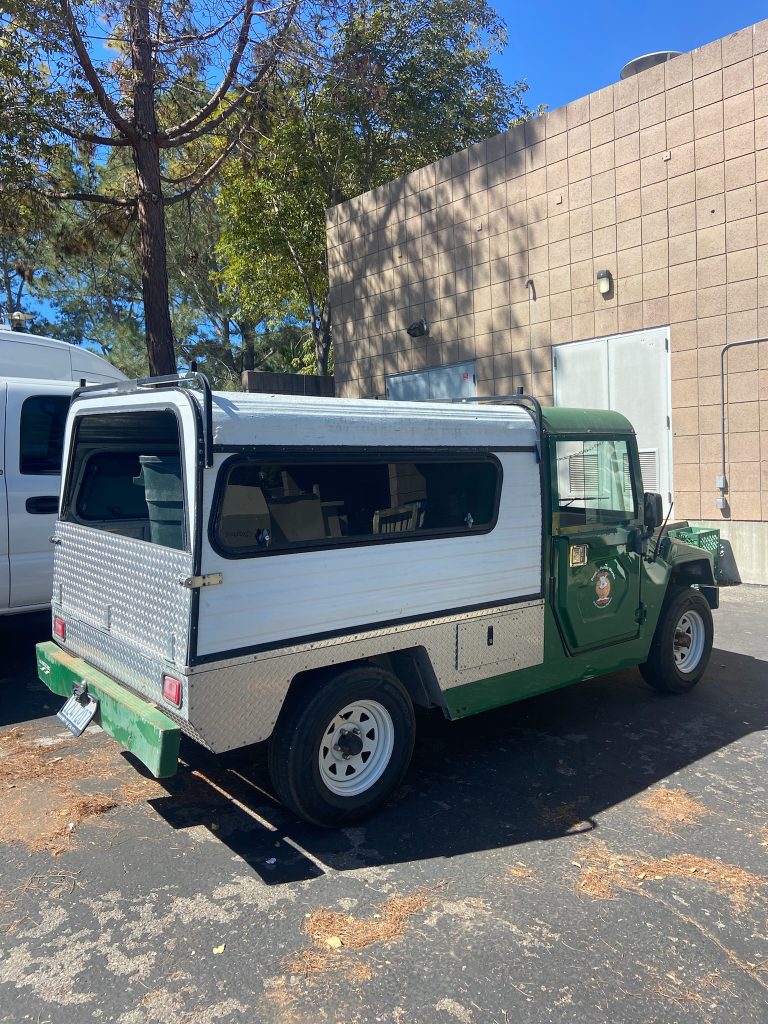
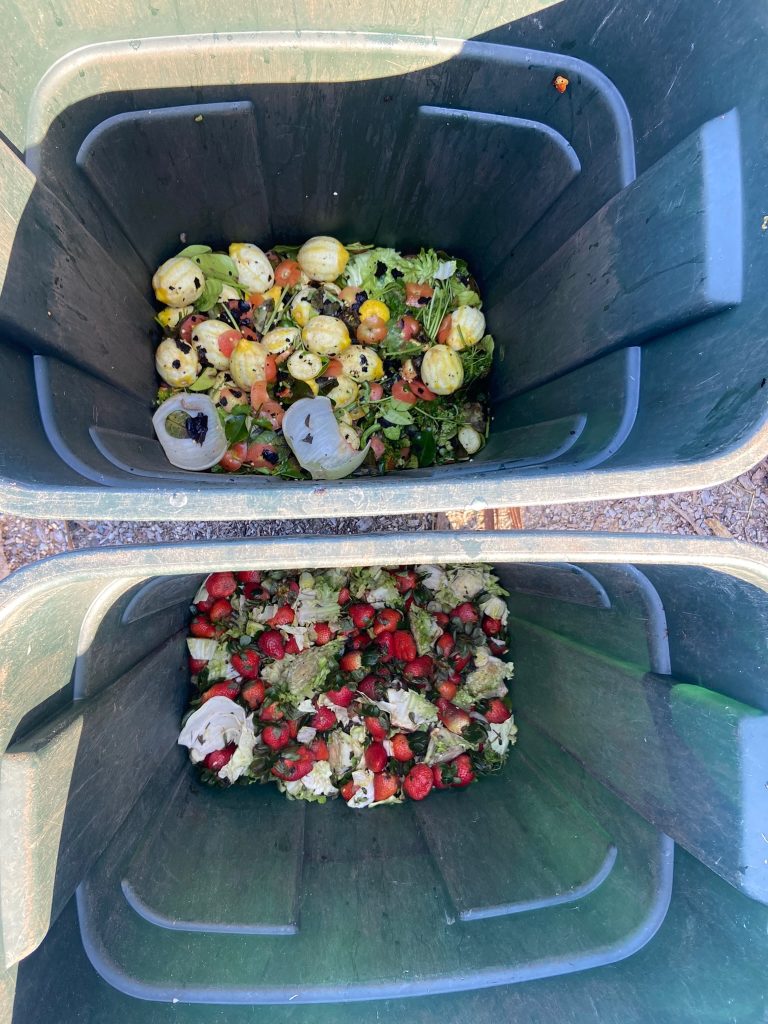
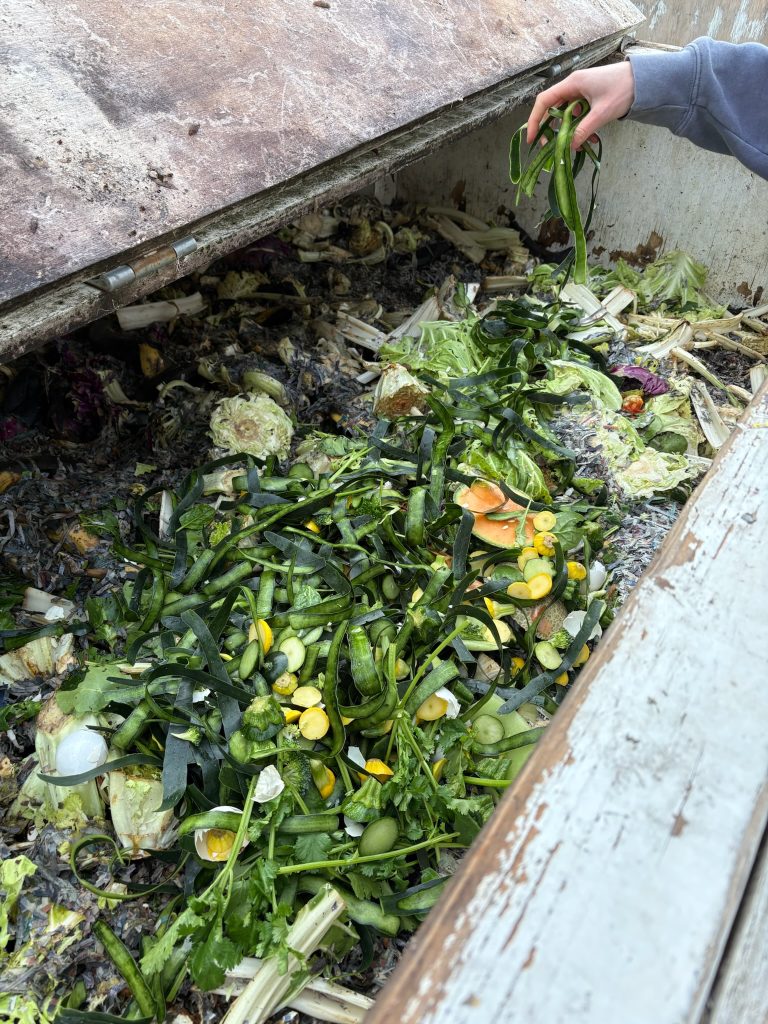
Worm wranglers collect pre-consumer food scraps from De La Guerra, Ortega, Carrillo and Portola dining commons. These scraps are inspected and sorted into bins designated for hot composting or vermicomposting. Our hot composting stalls can handle all uncooked fruits and vegetables, but worms should be kept away from acidic and spicy foods that can harm them. Sorting the scraps is vital for the success of our composting operations, because certain items like oily foods, dairy products and meat can disrupt the decomposition process. The scraps are then transported to hot compost stalls at The Prairie for processing.
Family Student Housing (FSH)

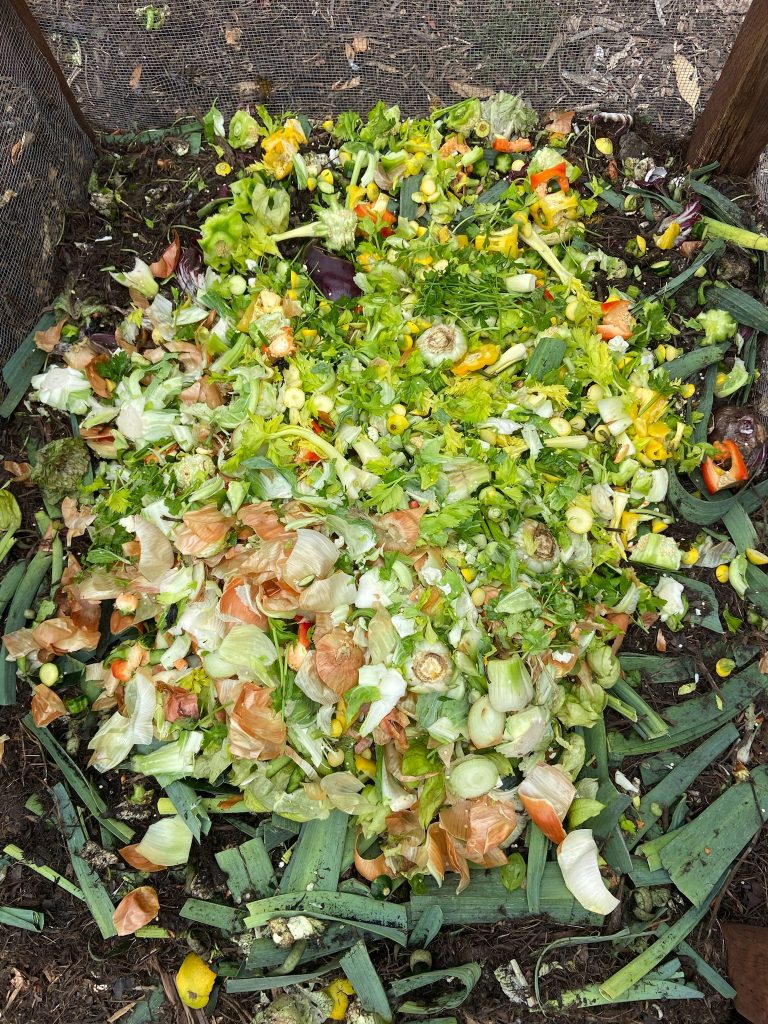
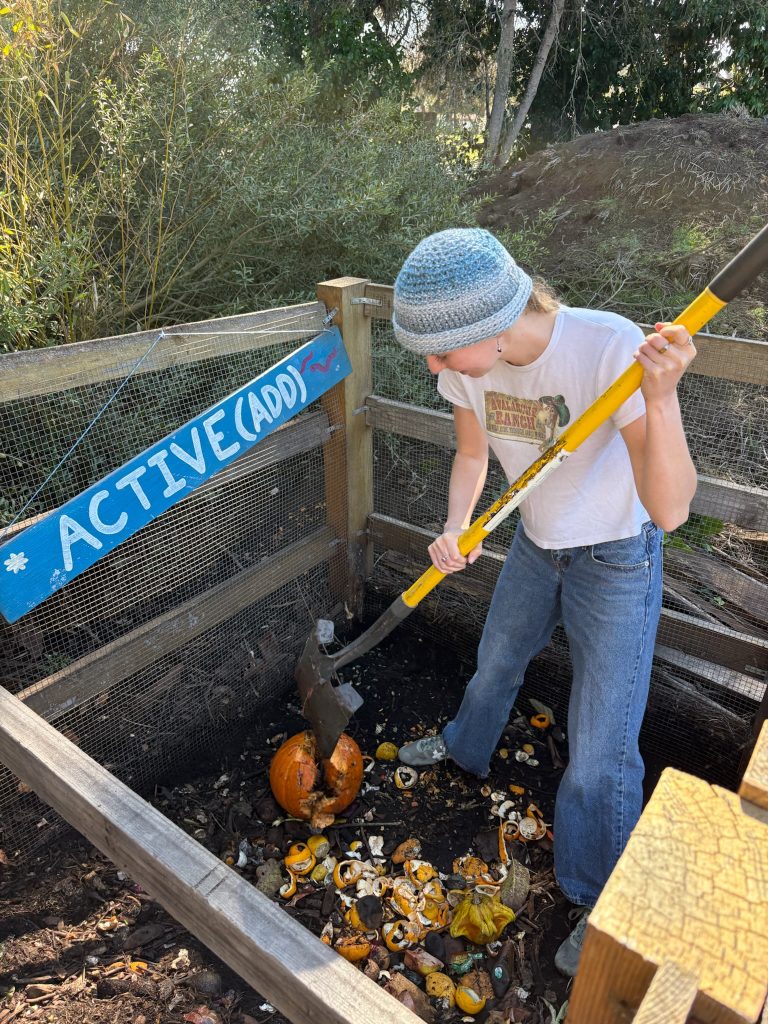
DPW manages hot compost stalls located at the Storke FSH and West Campus FSH Gardens. These gardens are managed by ECP and are for the residents of their respective communities. Bins are located in the gardens for residents to drop off their food scraps. Worm Wranglers monitor the compost pile by weighing food scraps, taking the temperature of the stalls, watering and adding material to ensure adequate conditions. Finished compost is then left at the garden for the residents or ECP to use! It’s our way to divert more waste while simultaneously giving back to the community. Check out our FSH composting page for more info.
Sift

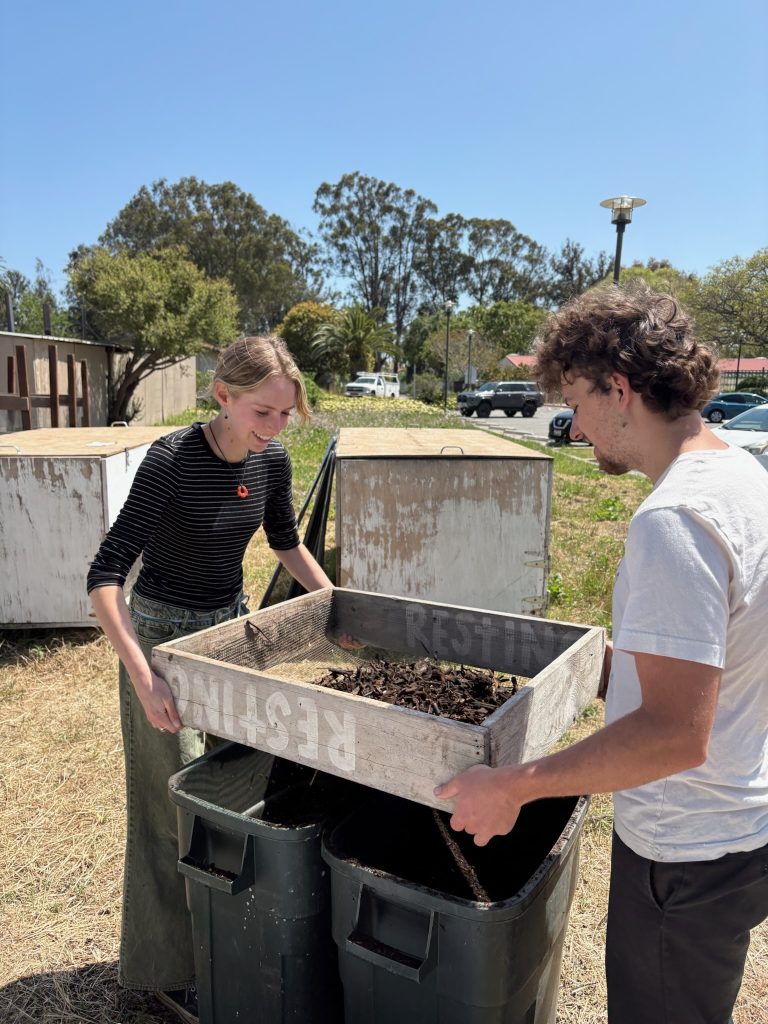

The final step in our composting process is sifting. After a complete composting cycle that takes around 2 months, using DPW-made sifters built from repurposed wood, Wranglers sift out dense material like avocado pits and sticks that did not fully decompose. The compost sifted at the FSH sites will be left for the residents to use. Any compost sifted at the Prairie location will be brought to the ECP Student Farm to be used in our raised beds to bring nutrients to our crops! On average we get about 200 lbs of compost per stall!
Farm
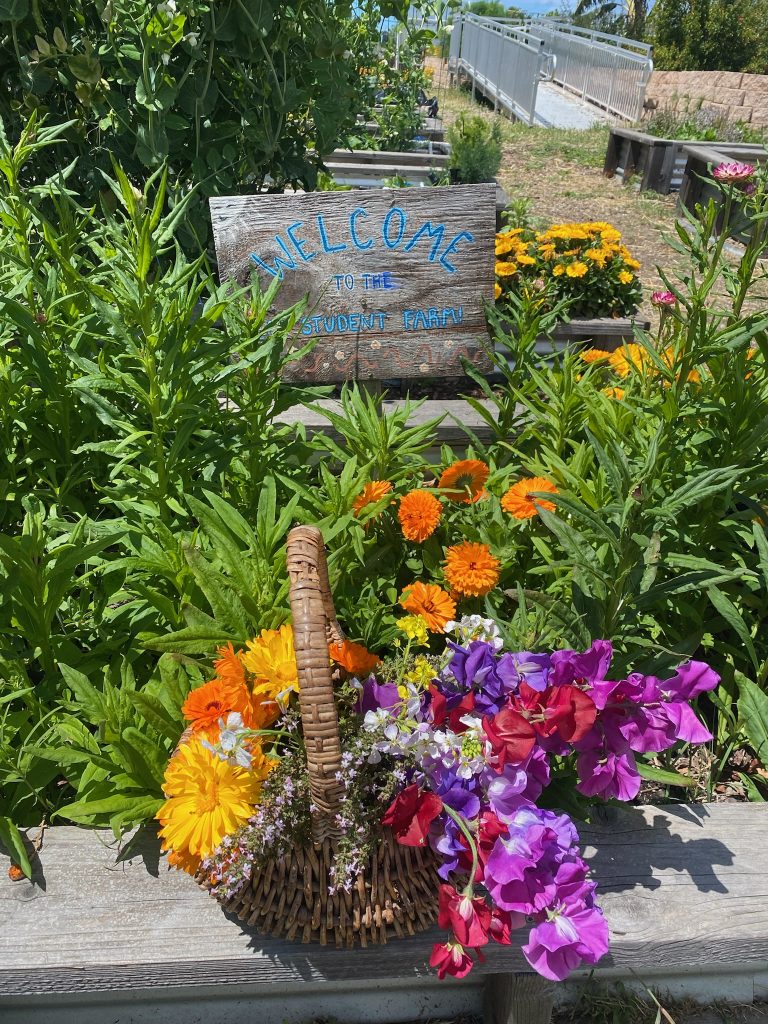
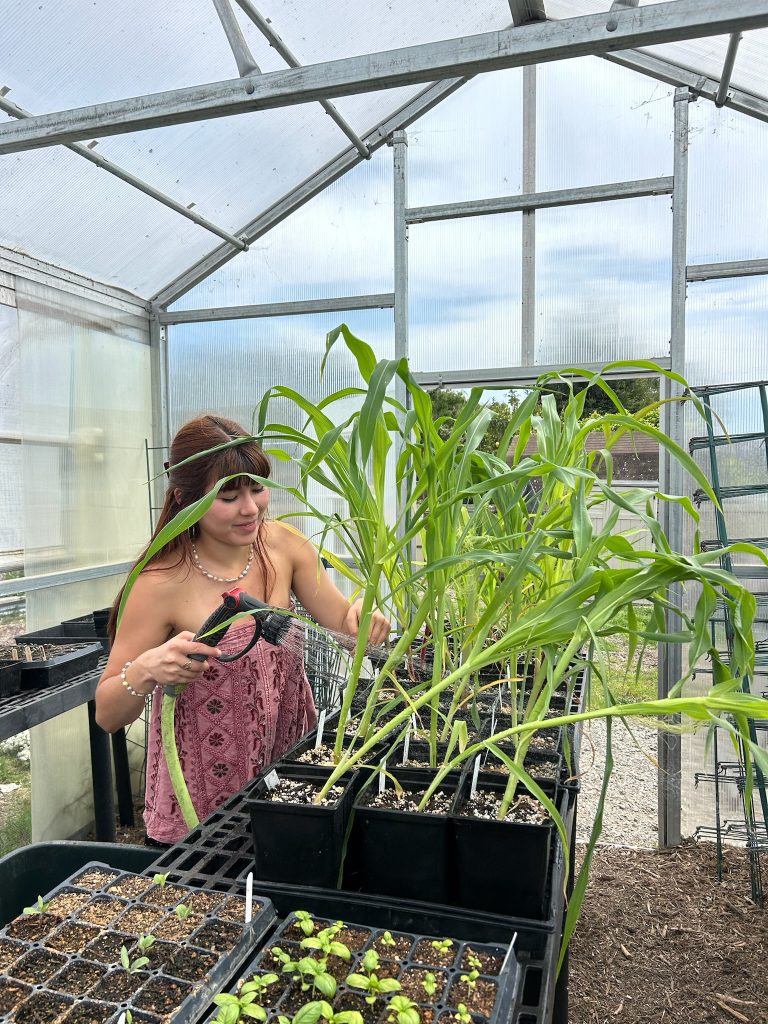
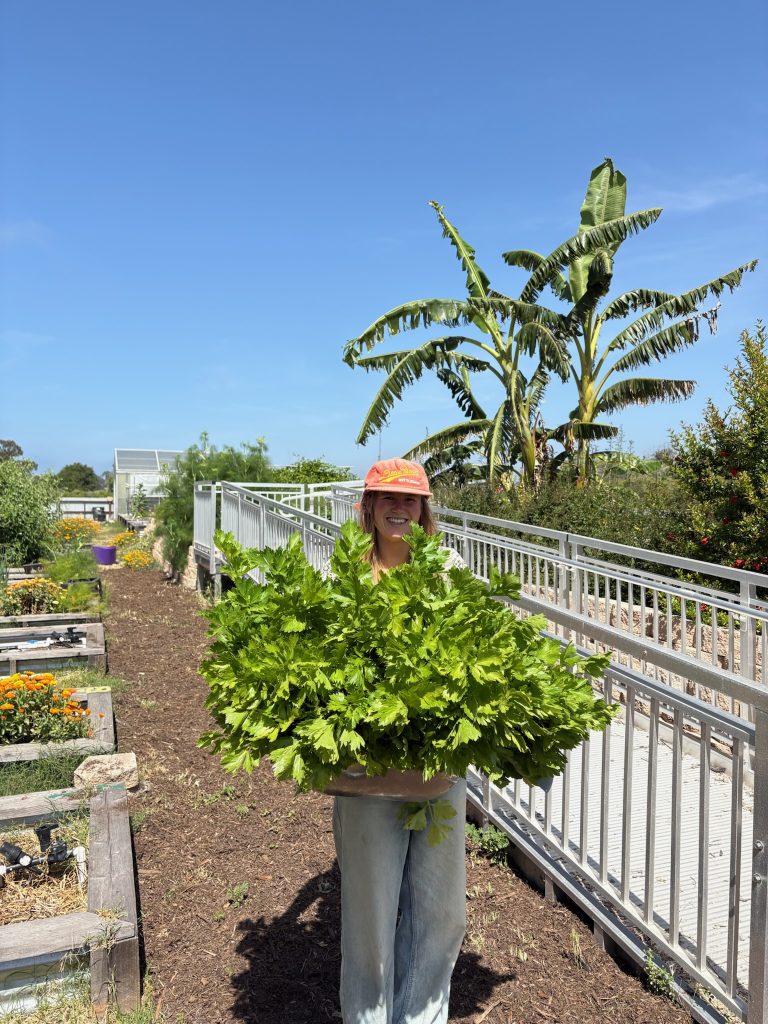
Farm shifts are arguably our most exciting shift! DPW staff are the worker bees for the ECP Student Farm. We sow, tend, and harvest produce in our 24 raised beds. Shifts often include planting, weeding, raised bed prepping, and tending to the growing crops. We grow produce year round with summers being our most plentiful and diverse time. In summer we typically have tomatoes, peppers, cucumbers, eggplants, basil, etc. Whereas in winter we usually have radishes, beets, carrots, cabbage, turnips, etc. Farm shifts have multiple wranglers (more than just 2) working together to produce great food for students to get from the AS Food Bank!
Harvest
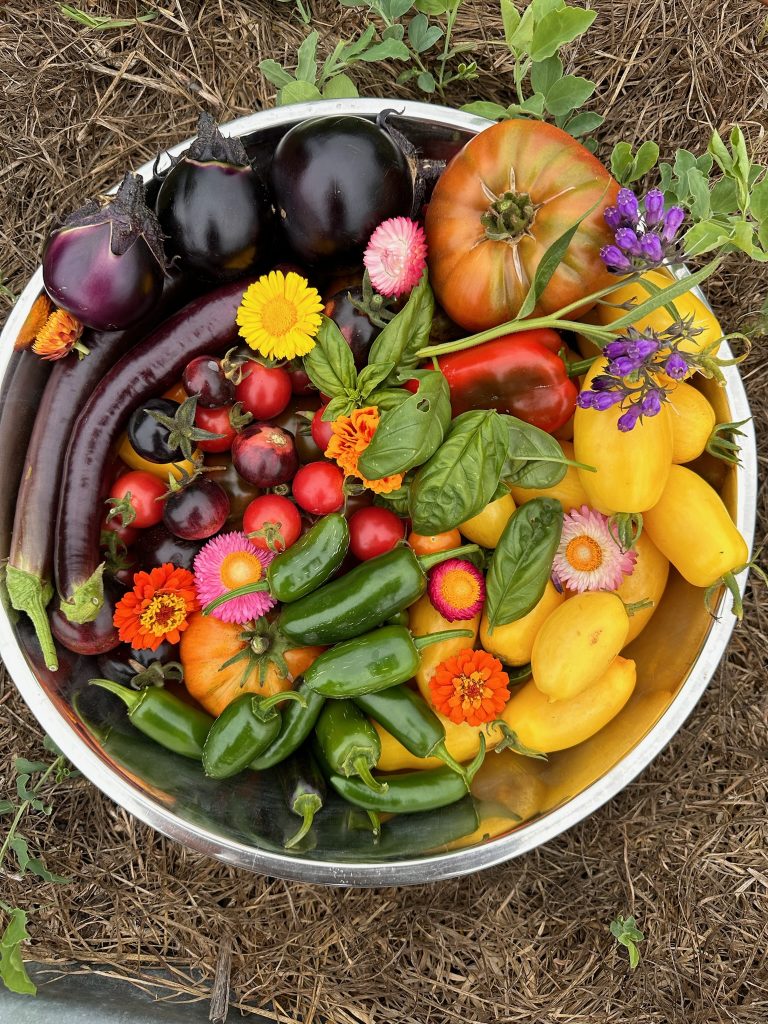

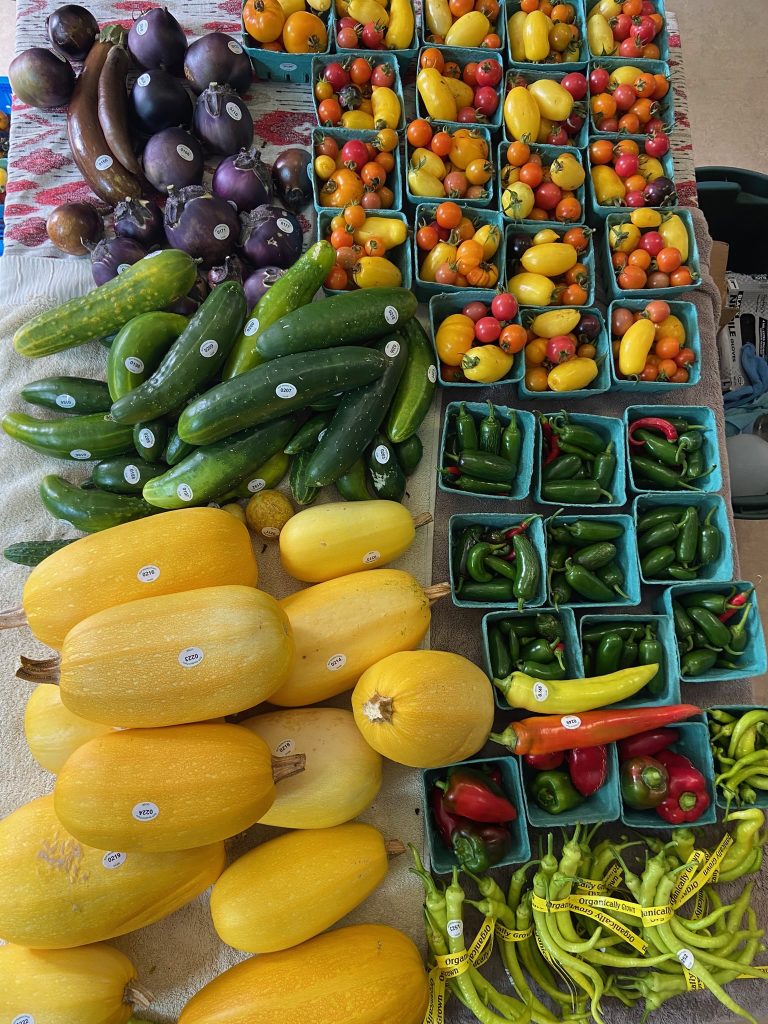
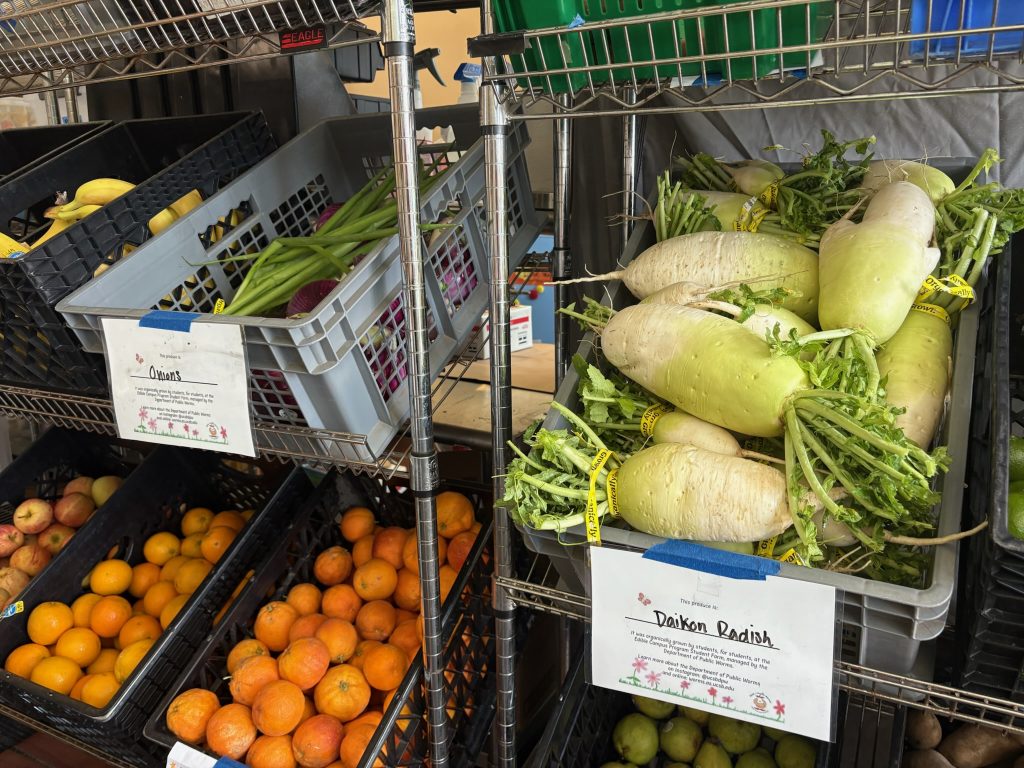
Harvest shifts are similar to sift shifts as we get to see the fruits of our labor (literally!) About every 3 weeks we harvest the produce growing at the farm. Harvest varying depending on time of year and our yield. Everything harvested is weighed, rinsed, and logged. The harvest is then taken to a kitchen on campus to be sanitized and labeled. Then we head over to the Multicultural Center’s kitchen where we further wash the produce. We triple wash all out produce to make sure all bugs and dirt are off when we harvest. After the produce is dry, each produce or bunch of produce gets a sticker stating it’s from us. Furthermore the sticker has a number which we log to make sure if any produce causes and issue down the line it’s easily trackable all the way back to when it was first planted. After everything is labeled we donate all of our produce straight to the AS Food Bank! We make sure our produce is the best quality it can possibly be and we hope students take advantage of the resource!
Citrus
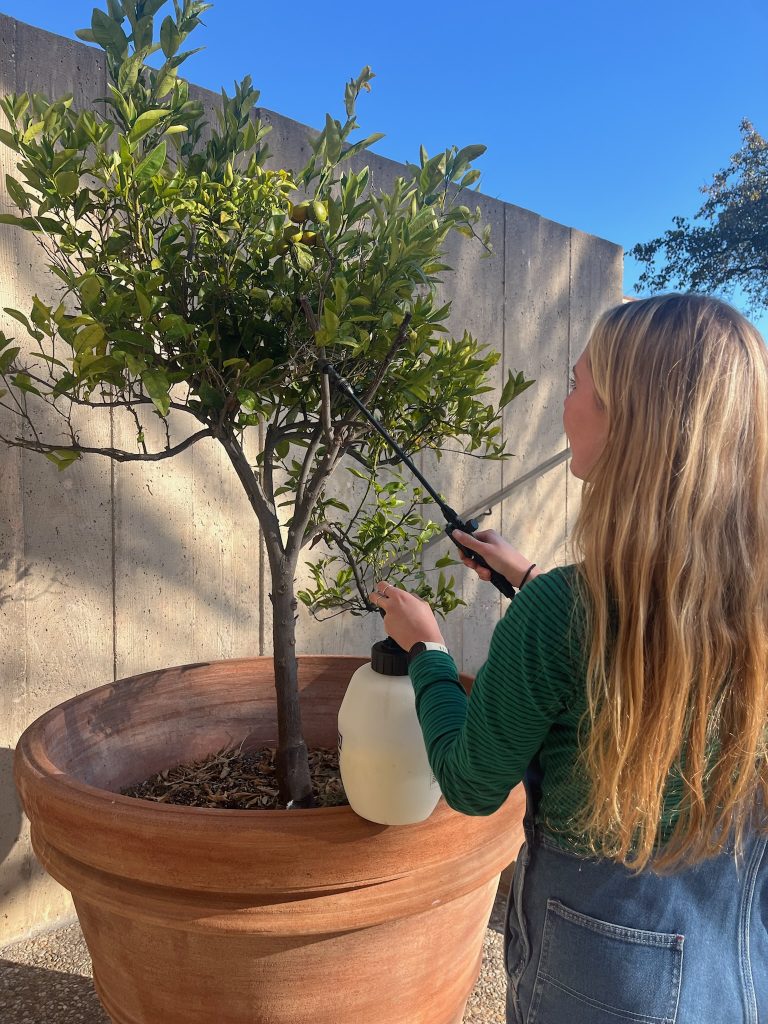

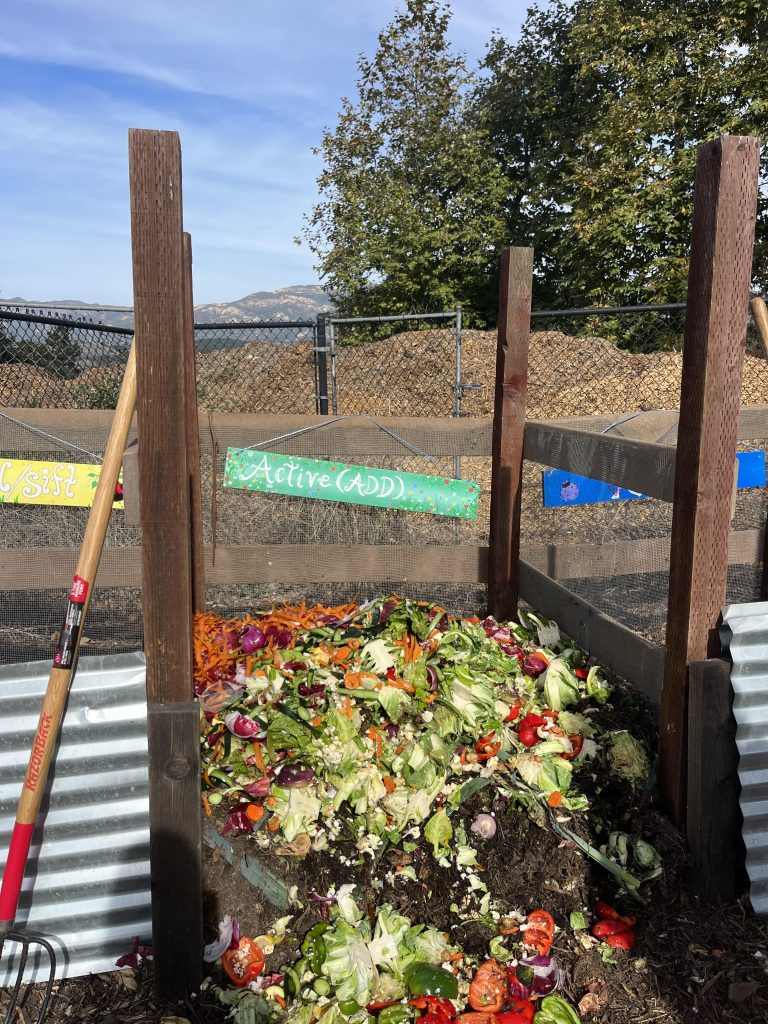
During Citrus shifts we primarily manage the Urban Orchard Project which is located in Storke Plaza. We tend 7 citrus trees which produce fruit for us to donate to the AS Food Bank. We water, prune, and monitor for pests. During these shifts we also pick up any leftover scraps that the AS Food Bank has for us. This is a vital step in the closed loop food system. These scraps end up at the Prairie where we do our hot stall compost procedures per usual!
Outreach
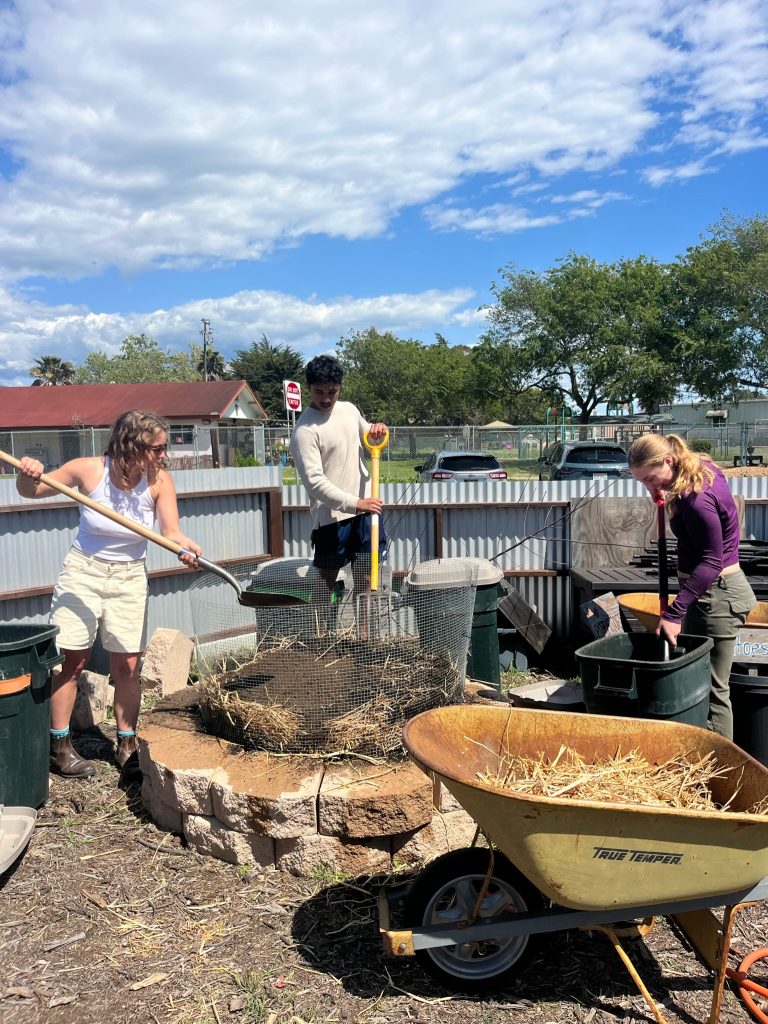
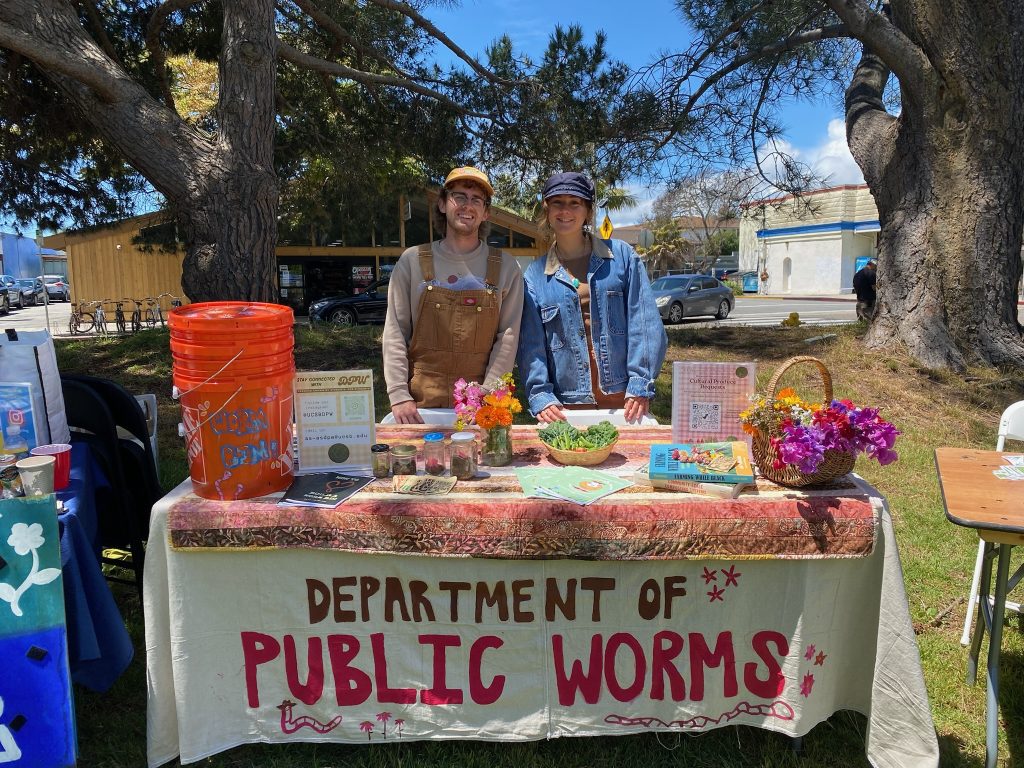
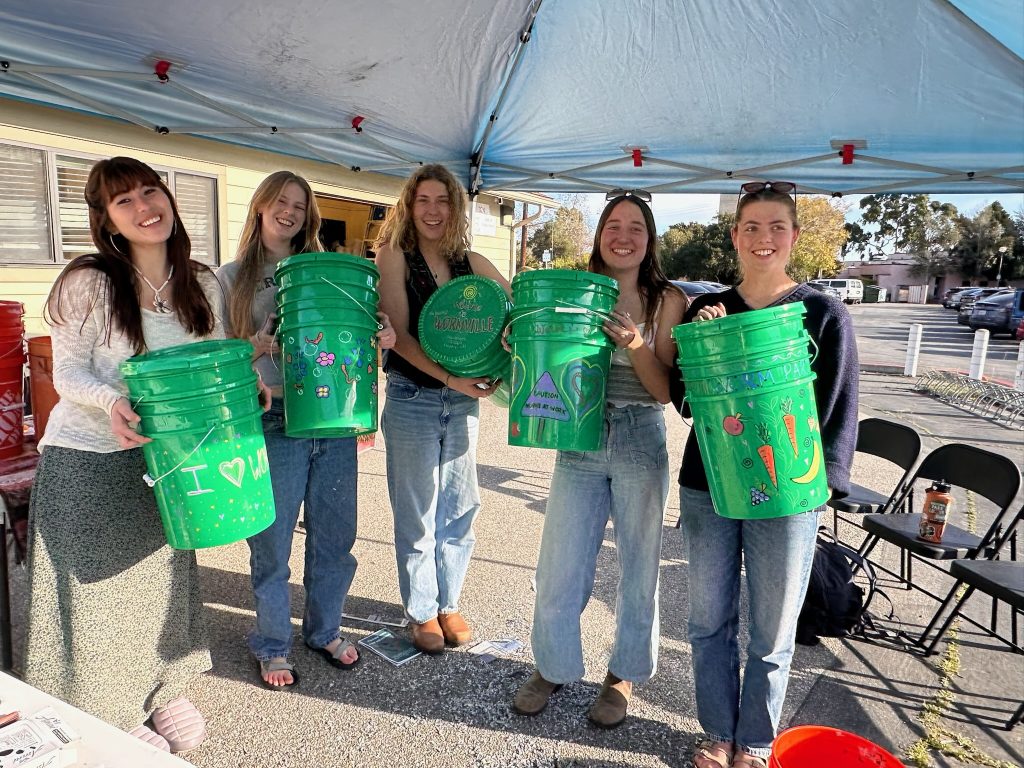
Outreach events are where we get to connect with you! Volunteer days are held at the ECP student farm the first Friday of every month. Volunteer days are a great way to get some helping hands on the farm to keep up with operations and carry out large projects. Volunteers don’t need to have any experience and everyone is welcome. DPW also hosts educational workshops to teach the community about closed-food loop systems and sustainable living. Past workshops have included, calendula salve making, at home worm bin tutorials, dried-flower bouquet making, and food preservation. DPW tables at community events like sustainability and environmental fairs. If you see our table please say hi! Stay up to date by following our Instagram!